Choosing a preschool is a big decision. For many parents, it’s the first time they’re trusting someone else to care for their child outside the comfort of home. It’s natural to wonder: Will my child feel safe? Will they settle in? Will they be happy each day?
In Yishun, there are many preschool options. While this gives parents flexibility, it can also make choosing feel overwhelming. Schools may look similar online, but the real experience often differs once your child enters the classroom.
Early childhood is a crucial stage of growth. The right preschool provides a safe, caring environment where children build confidence, develop social skills, and enjoy learning at their own pace.
This guide highlights what truly matters when choosing a preschool, helping you move forward with confidence and clarity.
Key Factors to Consider When Choosing a Preschool in Yishun

1. Your Child’s Needs and Personality
Every child is different, and that’s what makes choosing a preschool in Yishun so personal. Some children are energetic and love exploring, while others are quieter and prefer observing before joining in. Before you start visiting schools, take a moment to think about what helps your child feel comfortable and confident.
Consider how your child responds to new situations, interacts with others, and handles routines. A preschool that understands and respects your child’s unique personality will make it much easier for them to settle in, feel secure, and enjoy each day.
2. Learning Approach and Curriculum
A strong curriculum is a key part of quality preschool education in Singapore, where early learning focuses on both academic readiness and emotional development.
Preschools use different teaching methods, each designed to support children’s learning in meaningful ways. Common approaches in Yishun include:
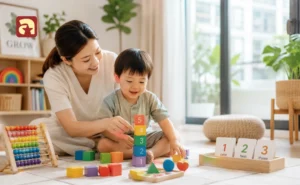
- Play-based learning – encourages creativity, imagination, and hands-on discovery through fun, interactive activities.
- Montessori-inspired learning – focuses on independence and self-guided exploration, helping children build confidence and decision-making skills.
- Inquiry-led learning – nurtures curiosity by allowing children to ask questions, investigate, and explore their environment.
- Bilingual exposure – many preschools introduce a second language naturally through daily routines and play, helping children develop language skills early and effortlessly.
3. Teachers and Class Size

Teachers play a huge role in shaping your child’s daily experience. Warm, attentive educators help children feel valued, confident, and supported. When visiting a preschool, pay attention to:
- Teacher interaction – notice how they communicate with children and whether they engage in a kind, encouraging way.
- Patience and responsiveness – see if teachers respond calmly and warmly to each child’s questions or needs.
- Class size – smaller classes allow teachers to give more individual attention, helping children settle in and thrive.
4. School Environment and Atmosphere

Visiting a preschool gives you a real sense of what daily life is like, something brochures and websites can’t show. When you’re there, notice:
- Children’s engagement – are the kids relaxed, happy, and actively participating in activities?
- Classroom setup – bright, clean, and welcoming spaces help children feel comfortable and inspired.
- Transitions between activities – smooth and calm changes from one activity to another show good structure and care.
A nurturing, positive environment can make it much easier for your child to feel safe, confident, and ready to explore each day.
5. Safety, Cleanliness, and Daily Routines

A safe and well-organised preschool helps children feel secure, calm, and ready to learn. When visiting a school, pay attention to:
- Secure and tidy spaces – gates, doors, and classrooms should be safe, clean, and well-maintained.
- Clear daily routines – structured schedules for learning, playtime, meals, and rest give children a sense of stability.
- Balanced schedules – a mix of activities and downtime helps children feel confident, comfortable, and settled throughout the day.
A preschool that prioritises safety and order allows children to focus on exploring, learning, and having fun without unnecessary stress.
6. Location and Convenience
Where a preschool is located can make a big difference in your daily routine. A school close to home or work reduces travel time, making mornings less stressful for both you and your child. Consider how easy drop-off and pick-up are, safe parking, clear walkways, and smooth routines can make every day feel simpler. Also, check if the school is near public transport like bus stops or MRT stations, which can be helpful if you rely on commuting. A convenient location helps your child arrive calm and ready to learn, while making your mornings more manageable.
7. Fees and Value
When it comes to preschool, price is just one part of the picture. Understanding preschool fees in Singapore can help parents compare values more fairly, as costs often reflect teacher ratios, facilities, learning resources, and daily care routines. Instead of focusing solely on cost, think about what your child will gain from the experience. Ask about what’s included in the fees, such as learning materials, meals, care routines, and any extra activities or enrichment programmes. A preschool that invests in quality care, engaging lessons, and a supportive environment offers far more value than simply choosing the cheapest option. Ultimately, good value means your child’s growth, happiness, and confidence are supported every day.
8. Parent Communication
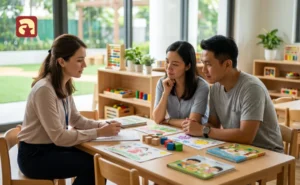
Open and consistent communication between parents and teachers is essential for your child’s growth and your peace of mind. Look for schools that provide regular updates, whether daily or weekly, so you know how your child is doing. It’s also important to have clear ways to reach teachers when you have questions or concerns, and opportunities for open discussions that let you stay involved in your child’s learning journey. A preschool that values strong communication helps you feel connected, informed, and confident that your child is well cared for.
9. Feedback from Other Parents
Hearing from other parents can give you a clear, real-life picture of what a preschool is really like. Ask about how children settle into the school, how consistent and supportive the teachers are, and whether students generally seem happy and engaged. Personal experiences can highlight things you might not notice during a short visit, helping you make a more informed decision.
10. Shortlisting and Comparison
After visiting a few preschools, it’s helpful to narrow your choices and compare them based on what matters most to your family. Consider factors such as teaching approach, teacher-child interaction, safety, cleanliness, location, and overall atmosphere. Revisiting your top options can give you a better feel for the environment and help you decide with confidence, ensuring you choose a preschool that aligns with your child’s needs and your family’s priorities.
Conclusion
Choosing a preschool is one of the most important decisions you’ll make for your child, and it’s natural to feel the weight of it. The right preschool in Yishun is more than just a place to learn; it’s a space where your child feels safe, valued, and excited to explore the world around them.
By focusing on what truly matters, your child’s personality, the teaching approach, the environment, and day-to-day routines, you can make a decision with confidence rather than uncertainty. A preschool that aligns with your family’s values and nurtures your child’s curiosity and confidence lays the foundation for a joyful, confident start in learning.
Trust your instincts, take the time to explore your options, and remember: the school you choose can inspire a love for learning that lasts a lifetime.
FAQs
1. What is the best age for a child to start preschool?
In Singapore, most children start preschool between 18 months and 3 years old, depending on their comfort level and family needs. There’s no single “right” age, what matters most is choosing a time when your child feels secure and ready to explore. A supportive preschool can help children adjust smoothly at any age.
2. How do I know if my child is ready for preschool?
Common signs include curiosity about other children, comfort with simple routines, and the ability to separate from caregivers for short periods. Even if your child needs time to adjust, a nurturing preschool will support a gradual and gentle transition.
3. How many hours should a child spend in preschool?
This depends on your child’s age and temperament. Younger children often do better with shorter sessions, while older preschoolers may manage full-day programmes comfortably. A balanced schedule with time for play, rest, and learning helps prevent overstimulation.
4. Are preschools in Yishun bilingual?
Yes, many preschools in Yishun offer bilingual exposure, usually English and Mandarin. Language learning is typically introduced through daily activities, songs, and play, allowing children to pick up languages naturally without pressure.