
Many children struggle with reading or writing, not because they can’t, but because they haven’t discovered how enjoyable stories and words can be. Between screens, games, and busy routines, books can feel more like a task than fun.
Parents and teachers often wonder how to improve the literacy skills of students in a way that keeps learning engaging. With the right guidance and creative activities, children can build confidence, express their ideas clearly, and start to enjoy reading and writing as part of everyday life. This article shares practical strategies to help students strengthen their literacy skills while keeping learning meaningful and fun.
What Are Literacy Skills and Why Do They Matter
Literacy skills are the abilities that help children read, write, speak, and listen effectively. They are more than just knowing words; they include understanding ideas, expressing thoughts clearly, thinking carefully, and communicating confidently.
Children with strong literacy skills can follow stories, explain what they learn, and share their ideas in any subject. These abilities build confidence, make learning easier, and help children handle everyday life more independently. Developing literacy early gives students a solid foundation to become creative, thoughtful, and self-reliant learners.
Building Early Literacy Skills in Preschool
Strong literacy starts long before children can read full sentences. Early literacy skills in preschool help children recognise letters and sounds, explore stories, and begin expressing ideas through drawing or simple writing. These activities lay the foundation for confident reading, writing, and speaking in the years ahead.
Whether at home or in a preschool in Singapore, children benefit from playful, engaging experiences. At school, teachers might combine storytelling, songs, and letter games, while at home, parents can read aloud, sing nursery rhymes, or play alphabet games. Both settings help children connect with language in meaningful ways.
Ways to encourage early literacy:
- Read picture books aloud daily and ask children to guess what happens next.
- Sing nursery rhymes and songs to develop sound awareness.
- Play letter and word games, like matching letters or spotting them on signs.
- Talk about daily experiences to naturally expand vocabulary.
By nurturing literacy skills in preschool and at home, children begin to enjoy reading and writing early, setting them up to become confident, curious learners.
Practical Ways to Build Literacy Skills in Students
Building a Love for Reading
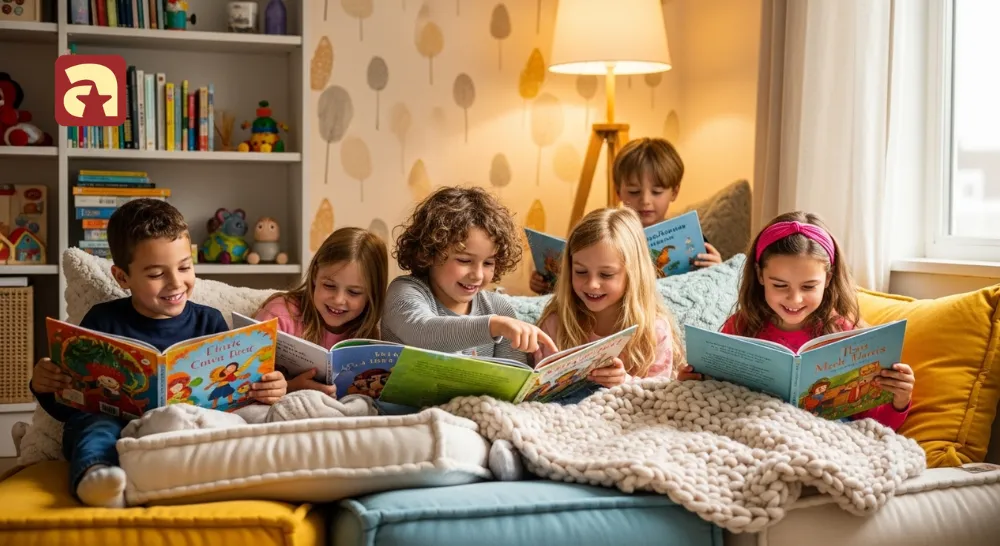
Reading becomes fun when children see it as an adventure, not a chore. Many kids shy away from books because they feel forced or bored. But when stories spark curiosity, and reading feels playful, children naturally want to explore more. Imagine a bright, cosy reading corner or a mystery story that makes them guess what happens next these little experiences turn reading into something exciting.
Ideas to try:
- Create a colourful book corner where children can pick books they like.
- Set aside a few minutes each day for quiet reading, letting children choose their own titles.
- Pair older and younger students for shared storytime to make reading social.
- Introduce “mystery books” to spark curiosity and surprise.
- Talk about favourite characters or events to make stories interactive and memorable.
Making Writing Enjoyable
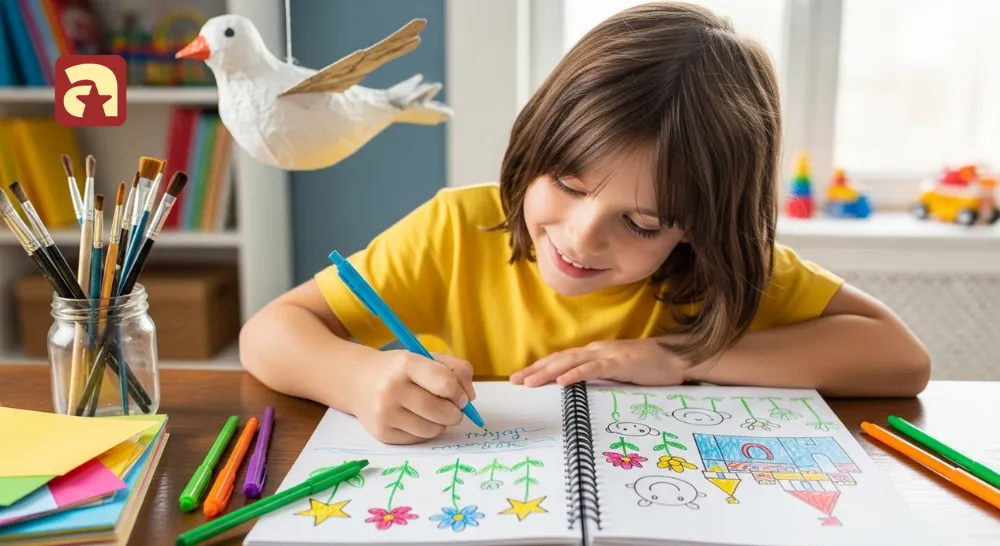
Writing feels less scary when children see it as a way to share their thoughts, ideas, and imagination, not just about spelling or grammar. When writing connects to real experiences or creative stories, children become more confident and motivated. Even turning a drawing into a short story or keeping a simple journal helps them see words as tools for self-expression.
Ways to encourage writing:
- Keep a daily journal for thoughts, feelings, or small adventures.
- Rewrite stories with new endings or from another character’s perspective.
- Work on real-life projects like letters, class newsletters, or recipe books.
- Turn drawings or doodles into short stories to combine creativity with words.
- Celebrate creativity over perfection to encourage trying new ideas without fear.
Expanding Vocabulary and Understanding
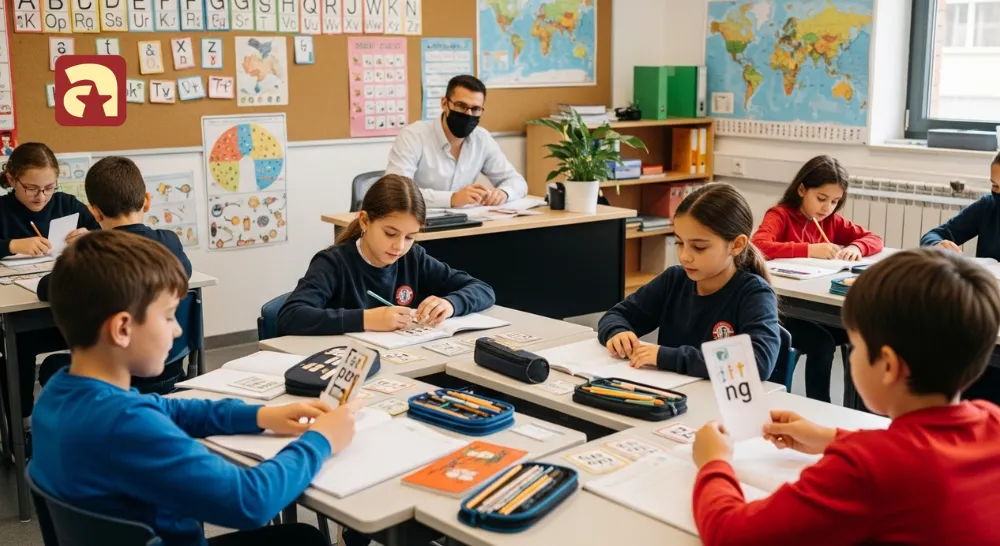
Children understand stories and share their ideas more easily when they know more words. Simply memorising lists doesn’t help much. Vocabulary grows best when children hear, see, and use words in real situations. Picture talking about a “stormy” day while reading a weather story or discovering the word “curious” while exploring a library. These are the moments that make new words stick.
Tips to strengthen vocabulary:
- Introduce a “Word of the Week” and use it in conversations throughout the day.
- Play fun word games like matching, guessing, or riddles.
- Pause during reading to ask why characters made certain choices and discuss the words they use.
- Connect new words to everyday life, like describing a rainy day as “gloomy” or a pet as “playful.”
- Encourage children to use new words in short stories, journals, or sentences.
Using Technology to Support Literacy
Technology isn’t a replacement for reading and writing; it’s a way to make literacy more interactive, creative, and fun. With the right tools, children can explore language in new ways. Imagine creating a digital storybook, listening to a character’s voice in an audiobook, or typing out their own short story. Technology can bring reading and writing to life.
Ways to use technology:
- Let children design digital books or comics using story apps.
- Use audiobooks to improve listening, comprehension, and pronunciation.
- Guide students in safe online research to build critical thinking.
- Encourage keeping a digital journal or typing short stories for practice.
Strengthening Speaking and Listening Skills
Speaking clearly and listening carefully are essential parts of literacy. Children who practice these skills often become stronger readers and writers because they learn to think about stories, share ideas, and understand others. Activities like role-playing, storytelling, or group discussions make learning fun while helping children communicate with confidence. Imagine acting out a scene from a favourite book it brings the story to life and gives children a chance to practice expressing themselves.
Activities to try:
- Act out story scenes or invent new endings with classmates or friends.
- Hold friendly debates on fun topics like “Books vs Movies” to build reasoning and speaking skills.
- Read stories aloud to family or classmates, emphasising expression and clarity.
- Retell a story in their own words to practice understanding and recall.
- Discuss story events or characters to explore ideas and deepen comprehension.
Supporting Literacy: Families, Schools, and Celebrating Progress
Children learn faster and enjoy reading and writing more when adults at home and school work together. Seeing teachers, parents, and caregivers enjoy books shows that literacy is fun and meaningful, not just a task. Simple experiences like a library visit with family or a storytime event make reading part of everyday life. Parents can try Montessori-inspired literacy exercises to strengthen reading and writing skills in students.
Recognising small achievements keeps children motivated. Sticker charts, journals, or a classroom “Achievement Board” help kids see their progress and feel proud. Celebrating improvements in reading, writing, and speaking encourages curiosity and effort, not just accuracy.
Ways to support literacy:
- Read together at home or swap books with neighbours.
- Attend library events, storytelling sessions, or book fairs.
- Invite parents for classroom storytime or family reading nights.
- Encourage children to share thoughts about stories at home.
- Celebrate effort, creativity, and progress, not only grades.
Parents looking to build strong early literacy skills can also explore Amazing Star Montessori preschool, with programmes available at preschool Bukit Panjang, preschool Choa Chu Kang, and preschool Yishun, designed to support confident and curious learners.
Conclusion
Helping students improve literacy skills means more than teaching reading and writing; it’s about sparking curiosity, encouraging creativity, and building confidence. When children explore stories, express themselves through writing, and talk and listen actively, they develop the tools to understand ideas and share their thoughts clearly. With guidance from teachers, parents, and caregivers, literacy becomes a daily adventure, turning learning into something meaningful and enjoyable. Every word read, every sentence written, and every story discussed helps children grow into imaginative, thoughtful, and capable learners ready to engage with the world.
FAQs
1. What are the key components of effective literacy instruction?
Teaching literacy well includes phonemic awareness (recognising sounds), phonics (linking sounds to letters), vocabulary, reading fluency, and comprehension (understanding meaning). Practising these skills through simple games, story reading, or daily conversations makes learning fun and effective.
2. What is the difference between literacy and multiliteracy?
Traditional literacy focuses on reading and writing words. Multiliteracy goes further, including understanding and creating meaning through digital texts, videos, and other media. Children learn to interpret stories in books, videos, websites, and even social media safely and critically.
3. Why are literacy skills important beyond school?
They help with everyday tasks like reading instructions, filling forms, understanding signs, and using technology. They also support lifelong learning, problem-solving, and success in work and community life. Strong literacy skills make it easier to follow directions, learn new things, and communicate effectively.
4. How long does it take to improve literacy skills?
Progress depends on practice, guidance, and regular exposure to reading and writing. With daily reading, meaningful activities, and encouragement, children usually improve steadily over months or years. Consistency and a positive, playful approach are more important than speed, every bit of practice counts.
5. At what age should literacy development begin?
Literacy starts even before formal school. Talking, singing, reading aloud, and playing with sounds and letters in the early years give children a strong start. Reading bedtime stories or singing alphabet songs helps children naturally recognise words and sounds.