
Counting is one of the first big learning steps in a child’s life. It may look simple, just saying numbers, but it actually helps children understand how the world works. For many parents, this is why exploring math activities for preschoolers becomes an important part of early learning.
At this age, children learn best through play. Sitting with books or worksheets is not always effective, but turning learning into a game makes a huge difference. Whether at home or in a Singapore preschool, simple numeracy activities for toddlers work best when they feel fun, not forced.
In this guide, you’ll discover fun and easy counting games you can use at home or outside. These activities are simple, enjoyable, and perfect for building strong early math skills without pressure while supporting early toddler math development.
Why Early Counting Skills Are Important
Counting is not just about memorising numbers. It helps children understand what numbers actually mean. For example, when a child counts three apples, they learn that “three” is not just a word, it represents a quantity.
These early skills support many important abilities and are a key part of building strong preschool numeracy. Children learn how numbers follow a sequence, how to tell which group has more or fewer, and how to recognise simple patterns.
You’ll also notice that counting naturally fits into daily life. Kids count toys while playing, steps while walking, or snacks during mealtime. These simple moments reflect the importance of numeracy in early childhood and how learning happens naturally.
When children start early, they often feel more comfortable with math later on. It becomes something familiar instead of something scary. Many of these ideas connect naturally with STEM activities for preschoolers, where hands-on learning helps children understand concepts better. Families enrolled at Amazing Star’s preschool in Choa Chu Kang or Yishun will recognise many of these activities from our Montessori-inspired daily routines.
Indoor Counting Games for Preschoolers
Indoor activities can turn ordinary moments at home into fun learning experiences for young children. With simple toys and household items, preschoolers can practice counting in a relaxed and playful way without feeling pressured, making these great numeracy activities for preschoolers.
1. Count and Sort with Toys
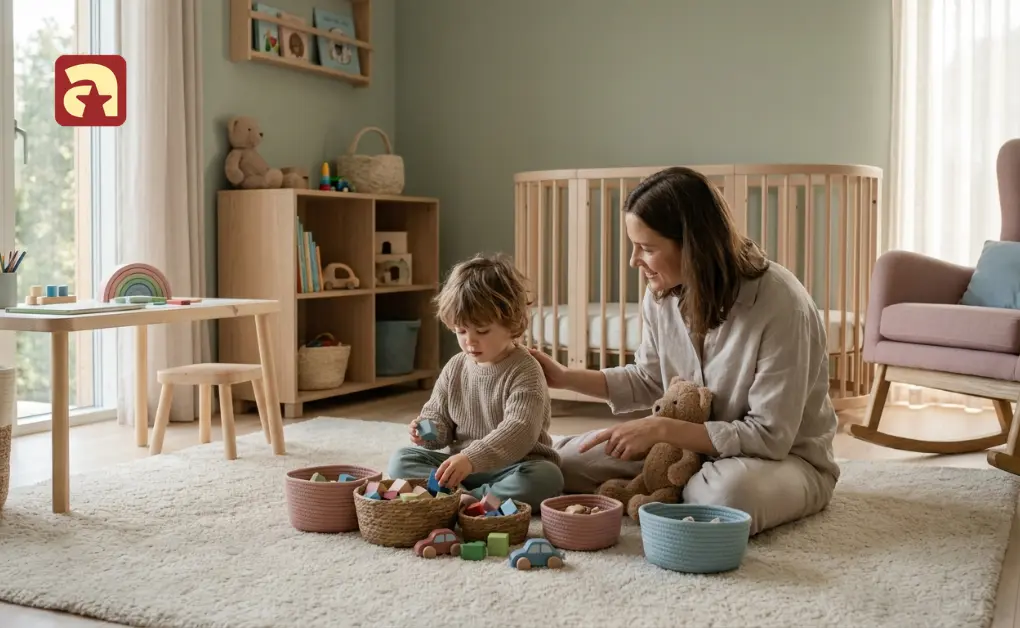
Children naturally enjoy playing with toys, which makes this activity a simple way to introduce counting at home. Gather a few items like blocks, toy cars, or stuffed animals and ask your child to group them by colour, shape, or type. Once sorted, count each group together slowly. You can also ask easy questions like, “Which group is bigger?” to encourage thinking.
Age: 2–4 years
Why it works:
This activity builds early counting skills while helping children notice patterns, compare groups, and organise objects in a meaningful way.
2. Number Treasure Hunt
Turn learning into a small adventure by hiding number cards around the room. Invite your child to search for the numbers and place them in order after finding each one. Start with smaller numbers like 1–5 before moving to larger sets.
Age: 3–5 years
Why it works:
Children stay active while improving number recognition, memory, and sequencing skills through playful exploration.
3. Roll and Count Dice Game
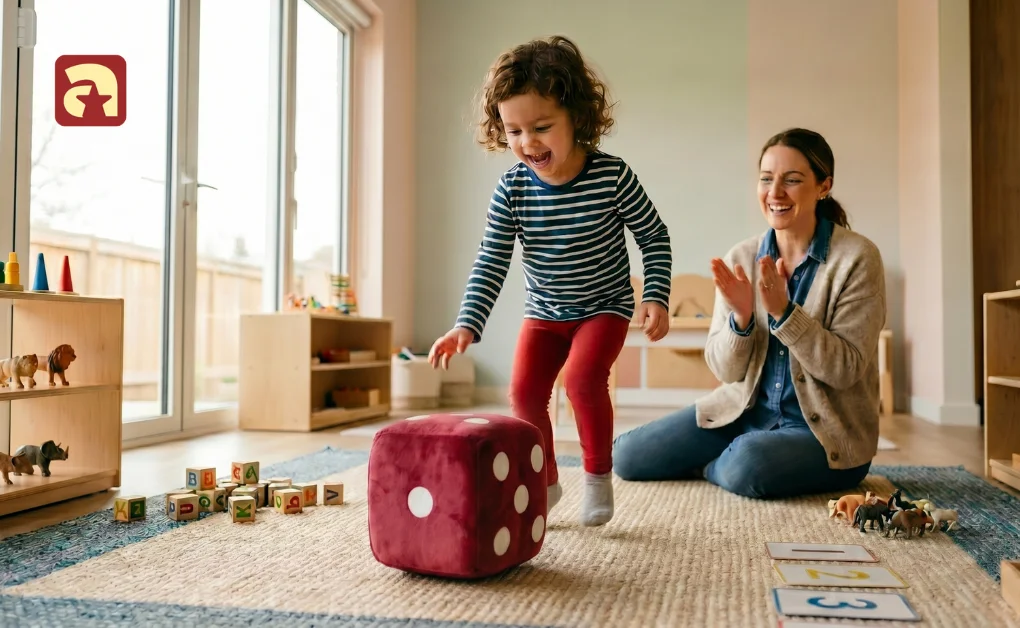
This movement-based game keeps energetic preschoolers engaged while practising numbers. Roll a dice together and count the dots aloud. Then ask your child to do an action like jumping, clapping, or spinning the same number of times. Switching turns can make the game even more exciting.
Age: 2.5–5 years
Why it works:
Combining physical movement with counting helps children remember numbers more naturally and keeps learning enjoyable.
4. Button Counting Board
A few household items can easily become a fun counting activity. Use a muffin tray, egg carton, or small bowls and place a number card inside each section. Ask your child to match the correct number of buttons, coins, or beads to each space.
Age: 3–5 years
Why it works:
Matching numbers with objects helps children understand that numbers represent real amounts, not just words. This simple step is a key part of mathematics activities for toddlers, and it is also at the core of montessori activities for toddlers that use everyday household items to make learning feel meaningful.
5. Counting with Beads
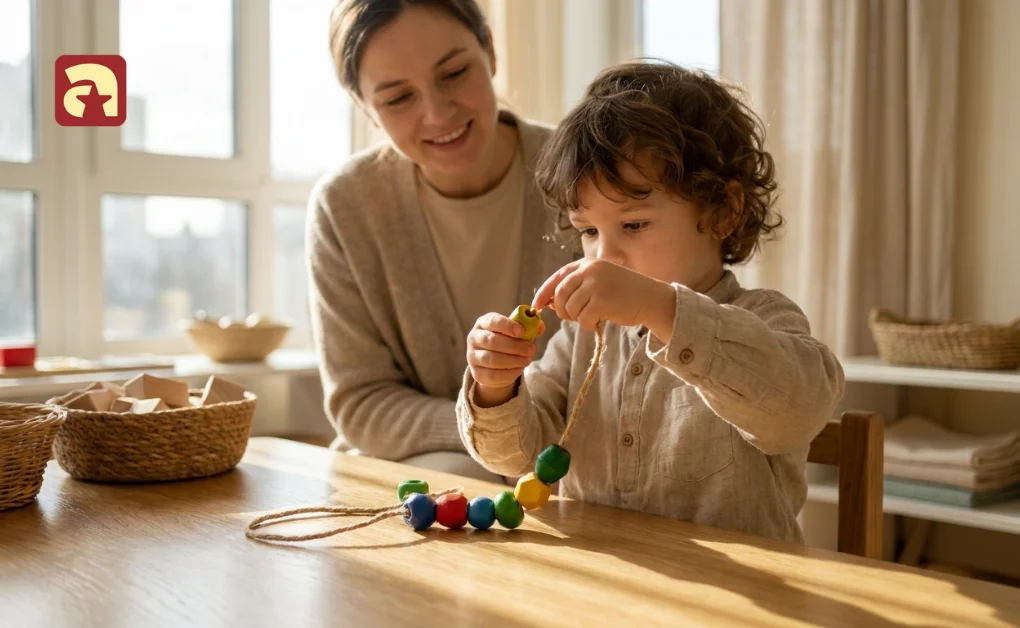
Bead threading is a calm and creative activity that supports early math learning. Give your child a string and colourful beads, then encourage them to add beads one at a time while counting aloud together. You can also create simple colour patterns for extra fun.
Age: 3–5 years
Why it works:
The activity strengthens concentration, hand coordination, and counting confidence at the same time.
6. Count the Sounds Game
Listening games are a great way to practice counting without using any materials. Clap your hands, tap a table, or ring a bell a few times and ask your child to count the sounds carefully. You can slowly change the speed or pattern to make it more interesting.
Age: 2–4 years
Why it works:
Children learn to focus, listen closely, and connect numbers with what they hear in a playful setting.
Outdoor Counting Games for Preschoolers
Outdoor play gives children space to move, explore, and learn at the same time. The benefits of outdoor education go well beyond movement, helping preschoolers build early math skills, curiosity, and confidence through experiences that feel real and meaningful.
1. Nature Counting Hunt
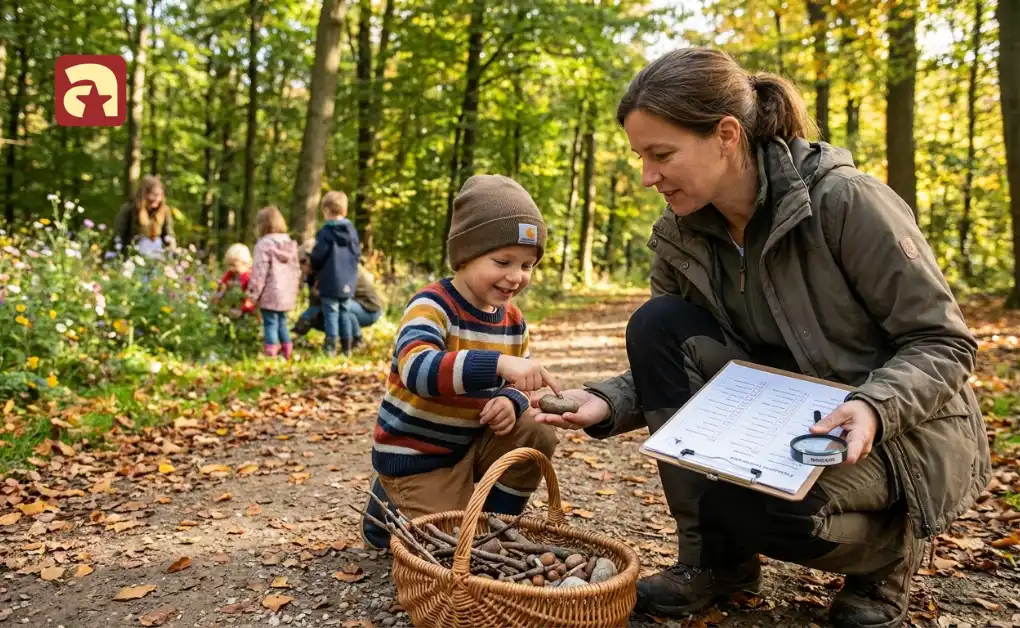
Outdoor walks can become fun learning moments with simple counting tasks. Ask your child to collect stones, flowers, or sticks while exploring outside. Once finished, count the items together and compare which collection has more or less.
Age: 2.5–5 years
Why it works:
Children connect numbers with real-world objects while exploring nature through hands-on learning.
2. Jump and Count
This active game is perfect for children who enjoy movement. Ask your child to jump while counting each jump aloud together. You can create small goals like reaching five jumps first and later increase the number as confidence grows.
Age: 3–5 years
Why it works:
Physical activity keeps children engaged while improving rhythm, coordination, and counting fluency.
3. Chalk Number Game
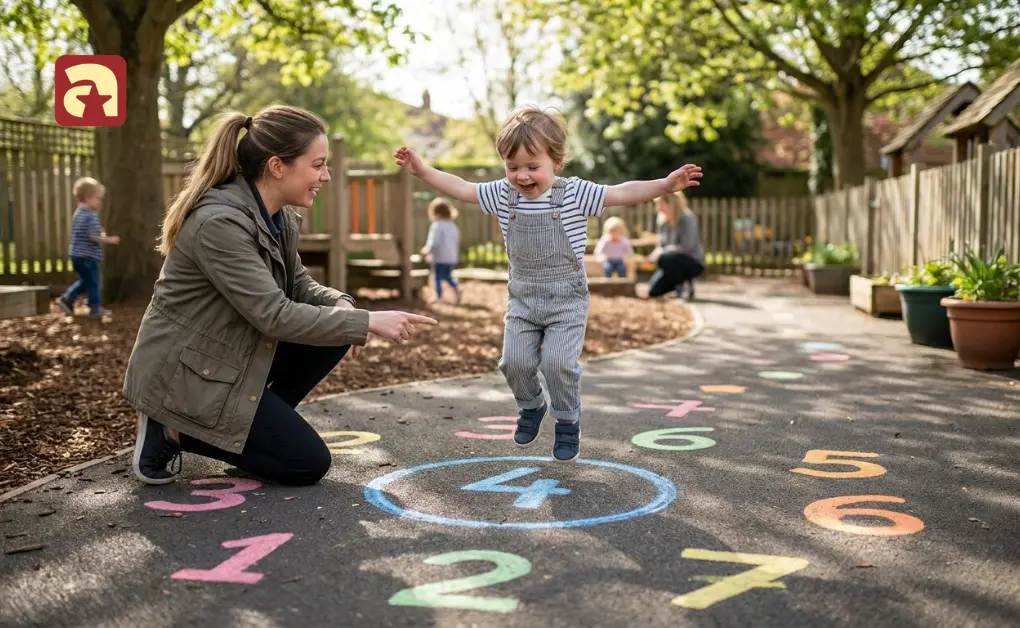
Using sidewalk chalk can turn outdoor spaces into playful learning areas. Draw numbers on the ground and call out one number at a time. Ask your child to run or jump to the correct number as quickly as possible.
Age: 3–5 years
Why it works:
The game improves quick number recognition and helps children stay active while learning.
4. Count the Steps
Simple daily walks can become valuable counting practice for young children. Encourage your child to count each step while walking to the park, climbing stairs, or moving around the house. You can also set fun challenges like counting to ten without stopping.
Age: 2–4 years
Why it works:
Repeating numbers during everyday movement helps children develop stronger counting habits naturally.
5. Ball Toss Counting
A soft ball is all you need for this easy counting game. Toss the ball back and forth with your child while counting every throw aloud. As they improve, try reaching higher numbers together without missing the catch.
Age: 2.5–5 years
Why it works:
This playful activity supports focus, teamwork, hand-eye coordination, and number practice all at once, and it naturally builds the gross motor skills children develop through active outdoor play.
6. Counting Leaves and Sorting
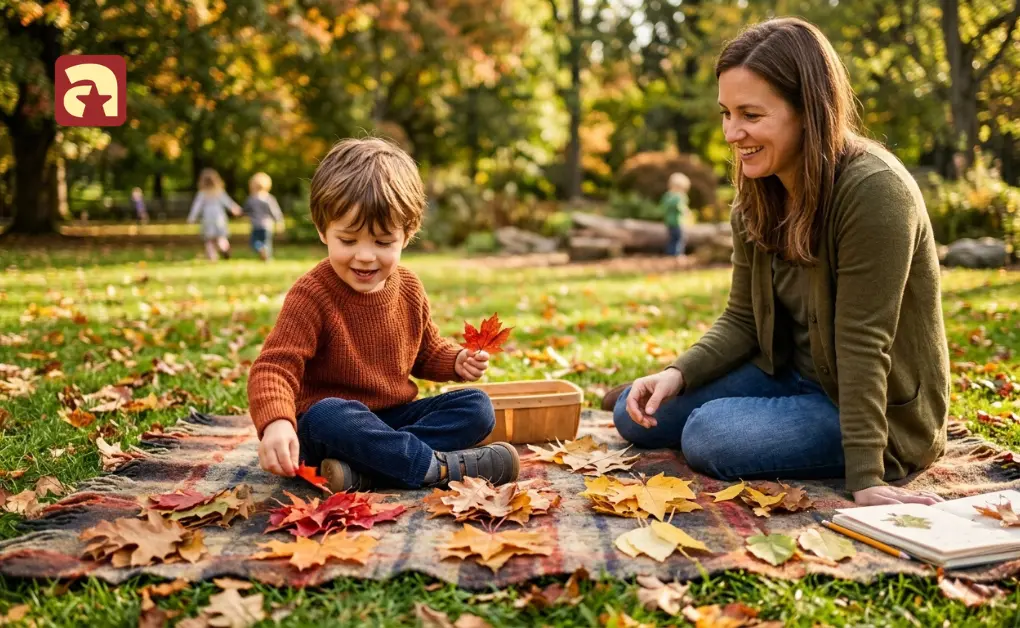
Nature offers endless learning opportunities for preschoolers. Collect different leaves outdoors and encourage your child to sort them by size, shape, or colour before counting each group together.
Age: 3–5 years
Why it works:
Sorting and counting together strengthen observation skills and help children notice differences between objects.
Extra Tips to Make Counting Fun
Young children learn best when counting feels playful and natural. Small changes during daily routines can make learning more exciting and help children stay interested for longer.
- Use everyday moments like mealtime, walks, or cleanup time for simple counting practice.
- Choose games based on your child’s favourite toys, colours, or activities to keep them engaged.
- Keep activities short and enjoyable so children do not feel overwhelmed or bored.
- Praise small efforts and progress to help build confidence and motivation.
- Repeat favourite games often, since repetition helps children remember numbers more easily.
Conclusion
Counting games may look simple, but they play a powerful role in a child’s early development. Through small, playful moments, children begin to understand numbers, patterns, and how things work in everyday life.
The best part of these activities is that they don’t require anything fancy. A few toys, a short walk, or even a quick game at home can turn into meaningful learning experiences. Over time, these little moments build confidence and help children feel comfortable with numbers at home.
What may seem like a simple counting game today is actually shaping how your child thinks, solves problems, and explores the world tomorrow. By keeping activities fun, encouraging, and pressure-free, parents can support both confidence and curiosity through simple math activities for toddlers that grow with the child.
If you’re looking for a nurturing environment where these kinds of hands-on learning experiences are woven into every day, explore our centres, including our preschool in Bukit Panjang, where Montessori principles guide every child’s journey from their very first counting steps
FAQs
1. What age should kids start counting?
Most children begin learning simple counting between the ages of 2 and 3. At first, they may only repeat numbers from memory, but over time they start connecting numbers with real objects. Simple games and daily activities can make this learning process easier and more enjoyable.
2. How can I teach counting at home?
You can teach counting naturally through everyday routines and play. Ask your child to count toys, snacks, steps, or household items during normal activities. Keeping learning playful and relaxed helps children stay interested and learn without pressure.
3. How long should counting activities be?
Preschoolers learn best with short and engaging activities. Around 10–15 minutes is usually enough to keep their attention without making them feel tired or frustrated. Small daily practice sessions are often more effective than long lessons.
4. Are games better than worksheets?
Games are usually more effective for young children because they make learning active and enjoyable. Preschoolers often understand numbers better when they can move, touch objects, and explore through play instead of sitting with long worksheets.
5. What should I do if my child loses interest in counting?
It is normal for children to lose focus sometimes, especially at a young age. Try changing the activity, using favourite toys, or turning counting into a fun challenge. Keeping the experience positive and playful can help children feel more excited to try again.