
Have you noticed your child pointing at letters, making up stories, or proudly scribbling their first words? These little moments are more than cute; they’re the very first signs of literacy skills in action.
Literacy skills help children listen, talk, read, and write, building a foundation for learning and expressing themselves with confidence. Studies show that children who develop these skills early tend to do better in school and feel more comfortable exploring new ideas.
In this guide, we’ll look at what literacy skills look like in preschoolers, why they matter, and practical ways you can support them at home, plus tips for choosing a preschool that helps nurture these essential skills.
Understanding Early Literacy Skills in Preschoolers
For preschoolers, literacy is more than letters or writing; it’s about how they use language in everyday life. When children describe what they see, ask questions, recognise sounds, or retell a favourite story, they are actively building early literacy skills.
These moments show how children connect their thoughts to words, helping them express ideas, understand others, and make sense of the world around them. Over time, these skills grow into reading and writing, preparing children for school and supporting bilingual development in multilingual environments.
Key Literacy Skills Preschoolers Develop
Preschool years are full of small, joyful learning moments. Here are the main literacy skills preschoolers start building:
1. Listening and Speaking (Oral Language Skills)
Every conversation, song, or story helps children follow instructions, share ideas, and communicate clearly. For example, talking about your day or asking your child to describe a toy strengthens their oral language skills.
2. Sound Awareness (Phonics for Preschoolers)

Hearing patterns in words, like rhymes or repeating sounds, teaches children how language works. Pointing out that “cat” and “cap” sound similar or clapping syllables in words builds phonics foundations for early reading.
3. Letter and Word Recognition (Early Reading Skills)
Recognising letters, familiar words, or simple signs helps children begin to read. For instance, spotting letters on a cereal box or street sign shows them that words have meaning and strengthens early reading skills.
4. Vocabulary Growth
The more words children know, the better they can express ideas. Reading books, describing daily activities, and talking about new objects all help build vocabulary, a key part of early literacy.
5. Understanding Stories (Comprehension Skills)
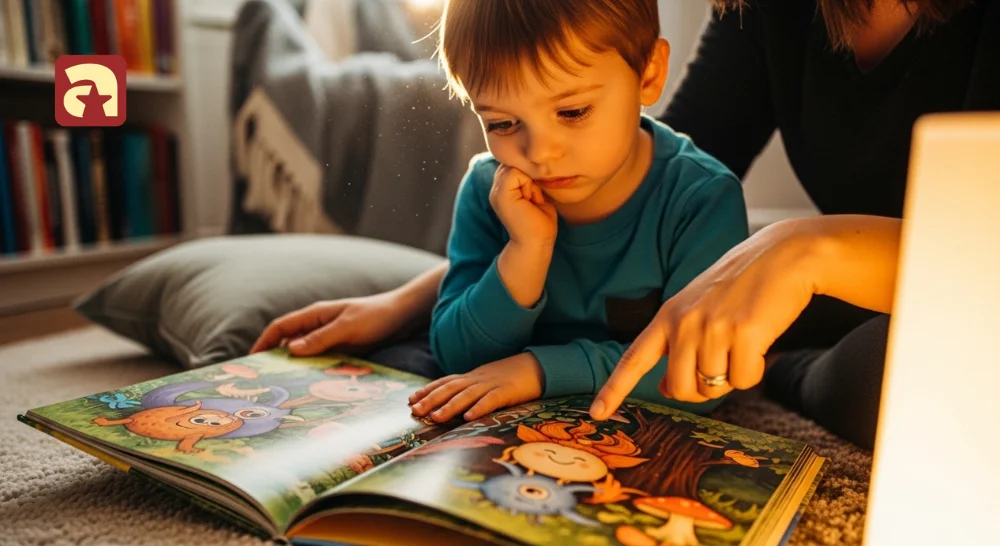
Comprehension is more than reading words; it’s understanding their meaning. Asking your child questions like “What do you think will happen next?” or “How does the character feel?” develops story comprehension skills.
6. Early Writing and Drawing (Mark-Making Skills)
Scribbles, letters, and labels help children communicate ideas while building fine motor skills. Encourage your child to draw a sun and write “sun” next to it. These early writing and mark-making activities are part of strong literacy foundations.
For parents looking for a preschool in Singapore that supports early literacy, Amazing Star Preschool offers programs where children explore storytelling, songs, and hands-on writing activities to practice these skills naturally.
Why Early Literacy Skills Are Important
Early literacy skills do more than prepare children for school; they help them:
- Think clearly and solve problems
- Express ideas and emotions confidently
- Understand the world around them
- Connect meaningfully with others
For children learning more than one language, early literacy supports bilingual literacy, strengthening communication, cultural awareness, and readiness for future learning.
Building Literacy at Home
Parents play a key role in nurturing literacy skills. Everyday moments make a difference:
- Read Together Daily: Short stories or picture books in English and your child’s mother tongue improve understanding, vocabulary, and imagination.
- Talk About Everyday Life: Ask open-ended questions, describe what you see, or share stories from your day.
- Sing Songs and Recite Rhymes: Music helps children remember words and recognise language patterns.
- Encourage Drawing and Early Writing: Let your child label their creations or write simple words.
Even reading signs on a walk or naming items in the kitchen reinforces literacy skills preschoolers develop naturally.
For more strategies to help children build literacy skills, check out our guide on how to improve the literacy skills of students.
Quick Tips for Supporting Literacy at Home
- Read together for 10–15 minutes daily.
- Point out letters and words in the environment.
- Ask questions about stories and daily activities.
- Sing songs and recite rhymes regularly.
- Encourage drawing, scribbling, and early writing.
Choosing a Preschool That Supports Literacy Skills
The right preschool can boost your child’s early literacy development. Look for:
- Play-Based Learning: Activities that encourage natural language use.
- Trained Teachers: Educators skilled in early literacy guide children effectively.
- Bilingual Programs: Learning both English and a mother tongue strengthens communication and cultural understanding.
- Storytelling and Hands-On Learning: Schools that integrate stories, songs, and play help children enjoy reading and writing.
If you’re interested in learning more about supporting your child’s literacy journey or want to see our programs in action, contact us today to schedule a visit to Amazing Star Montessori preschool in Bukit Panjang, Preschool Choa Chu Kang or Preschool Yishun. Our team would love to show you how our hands-on, playful approach helps children learn, explore, and enjoy every step of their early literacy journey.
Conclusion
Early literacy skills lay the groundwork for a child’s learning journey. By engaging in everyday activities, like reading, talking, singing, and drawing, preschoolers develop the ability to communicate, understand stories, and connect ideas. Supporting these skills at home, alongside a preschool that encourages language exploration, helps children grow into confident, curious learners ready to explore new concepts and succeed in school.
FAQs
1. How can I tell if my child is ready to read?
Signs include showing interest in books, recognising letters in their name, repeating rhymes, asking questions about stories, and trying to write letters. These small steps indicate growing curiosity and readiness to read.
2. What activities help develop sound awareness (phonics)?
Simple, playful activities work best: rhyming games, clapping out syllables, or listening for the first and last sounds in words. These help children hear patterns in language, which is the foundation for reading.
3. How do everyday conversations support literacy?
Talking about daily life, like describing objects, asking questions, or sharing experiences, helps children build vocabulary, understand stories, and feel confident expressing themselves.
4. How can I support bilingual literacy at home?
Read, sing, and tell stories in both languages. Switching between languages during daily routines, like mealtimes or play, helps children become comfortable using both and strengthens their language skills naturally.
5. What early literacy milestones should I expect?
By ages 3–5, most children start recognising letters, following simple stories, retelling events, and attempting to write their name. These milestones show they’re becoming familiar with language and ready to explore reading and writing.